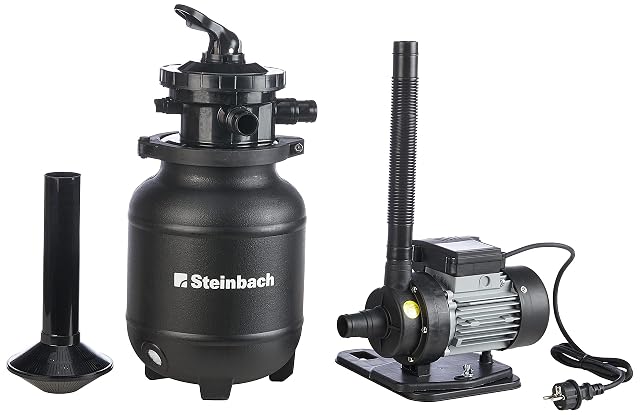
A tank, a media bed, and a valve with six or seven positions
The best sand filter systems for 2026
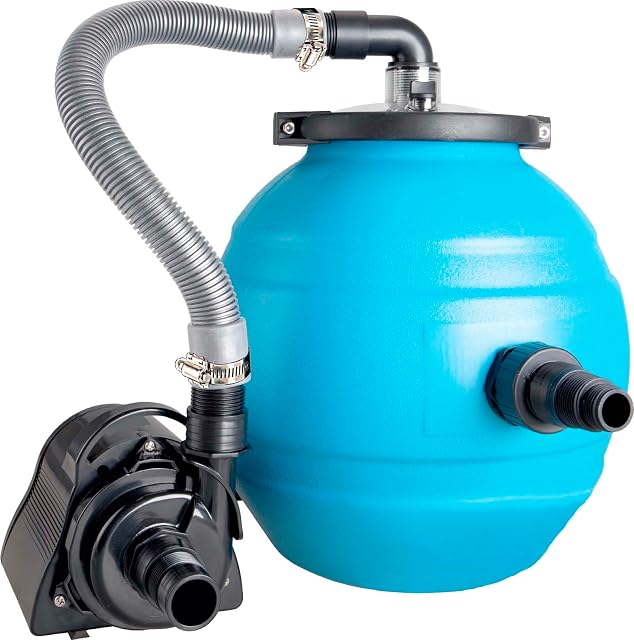
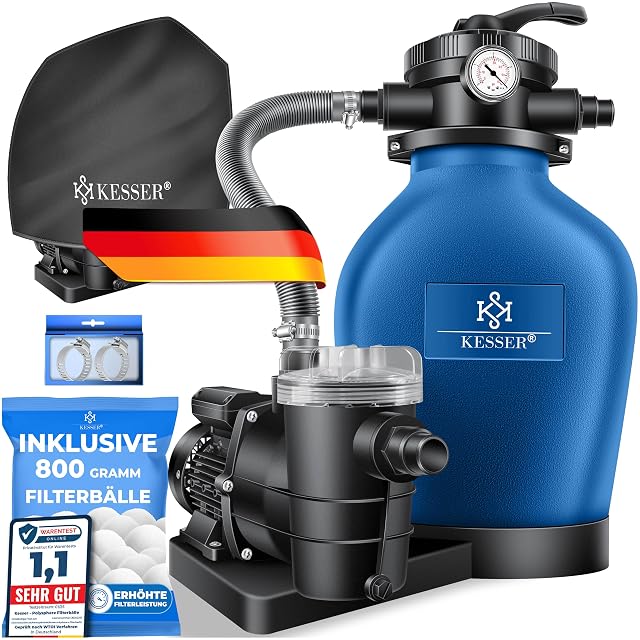
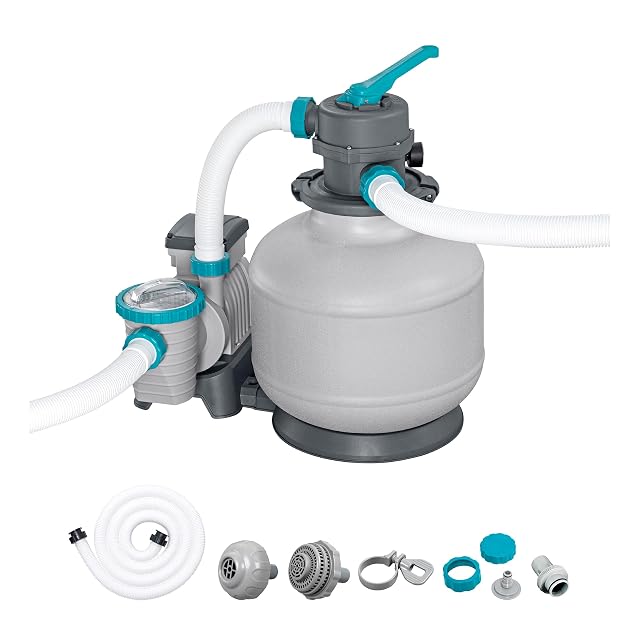
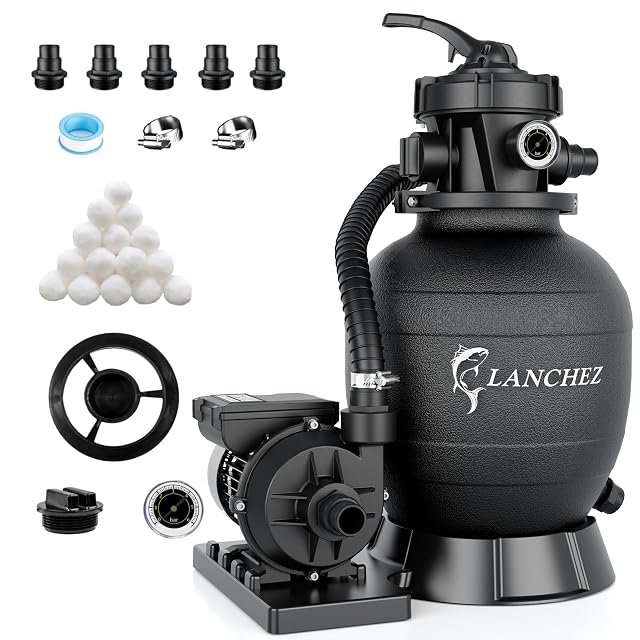
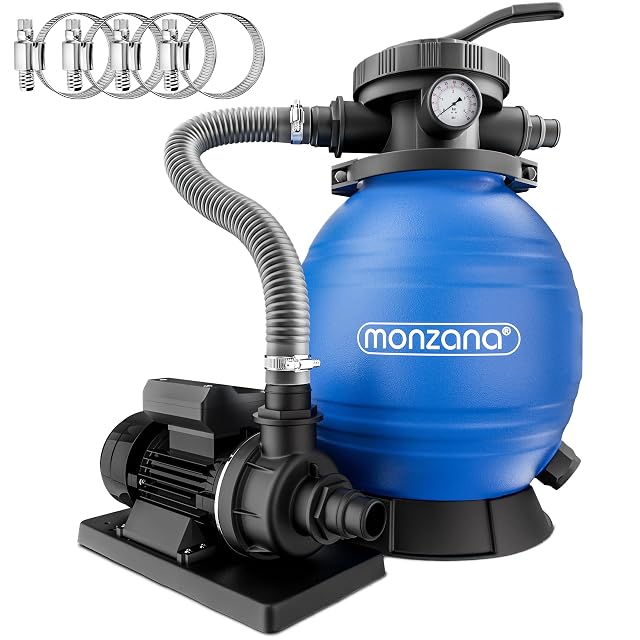
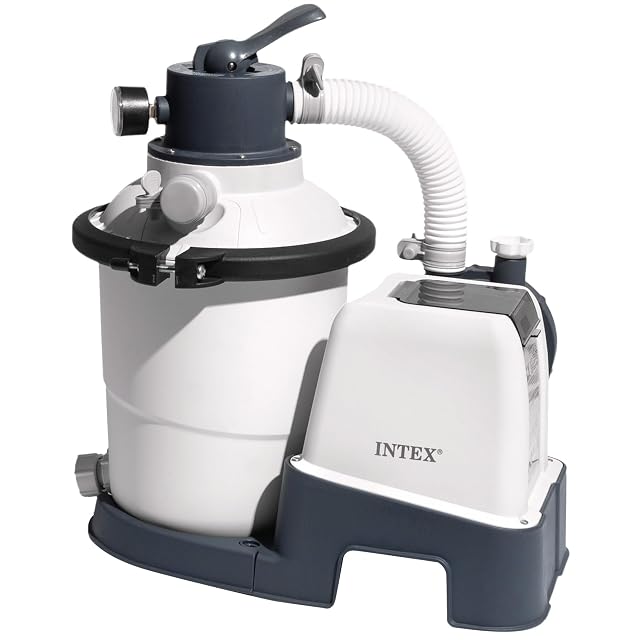
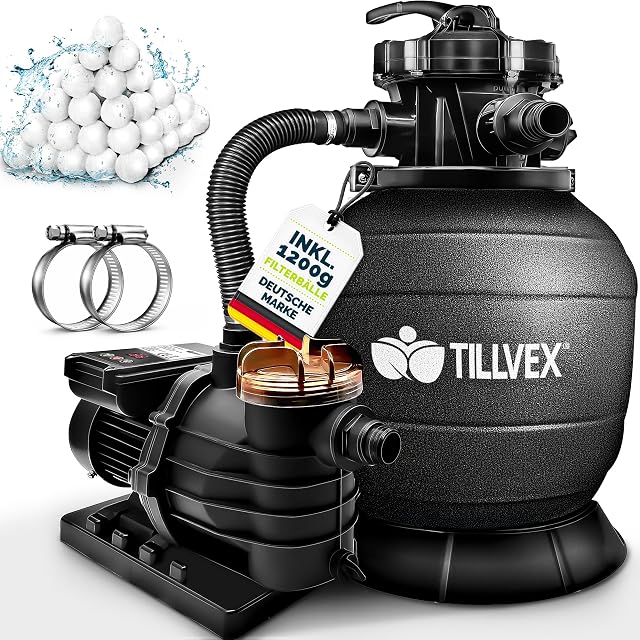
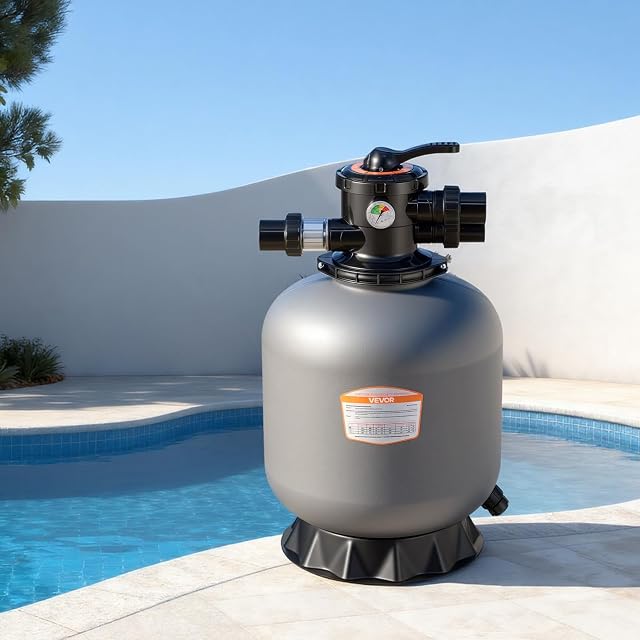
A sand filter is a pressure tank holding a bed of media, with a multiport valve on top that changes what the water does. It is the step up from a cartridge, and the reason is running cost: the bed is backwashed rather than replaced, so the consumable stops being a monthly purchase. Three figures decide the purchase. The flow rate, published in litres per hour or cubic metres per hour, which only means something divided into the pool volume — the listings that print both, like "13.200 L/h bis 40.000L", are doing that division for you, and the ones that print only one are not. The tank diameter, which sets how much media the filter holds and therefore how long it runs between backwashes; 450 mm is the common size on this shelf and it is stated in millimetres. And the valve: six positions or seven, with the seventh being a separate winterising or backwash-rinse step. What the valve is made of matters more than the count — a plastic spider gasket is the part that fails on this shelf. Then the media, which is a choice and not a fixture: silica sand, glass, or the polymer balls that several listings now bundle instead. A timer is common and useful; the pump does not need to run twenty-four hours, it needs to turn the volume over once or twice a day. We compare flow rate, turnover against volume, tank diameter, media charge and type, valve positions, pump power, timer and hose size.