The last millimetre is the whole specification
The best pool drain pumps for 2026
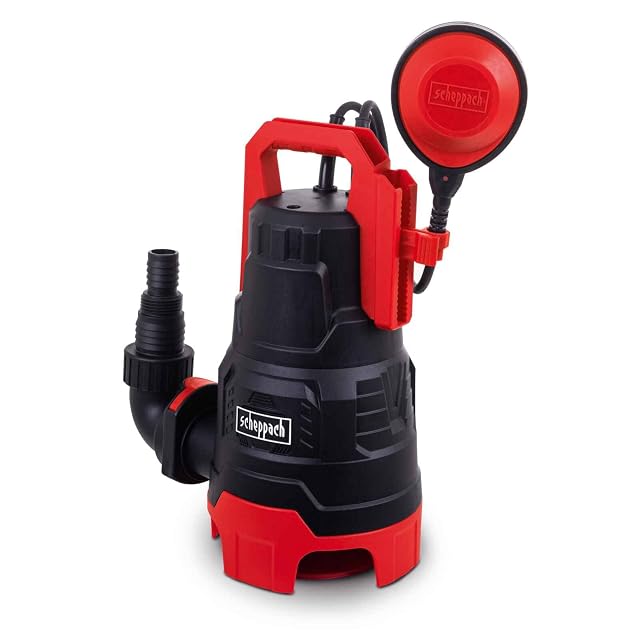
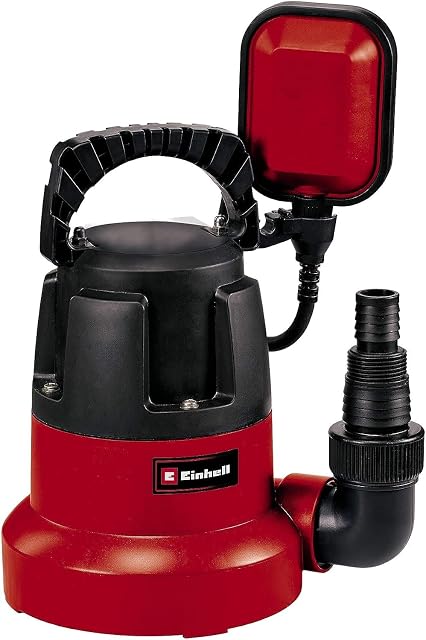
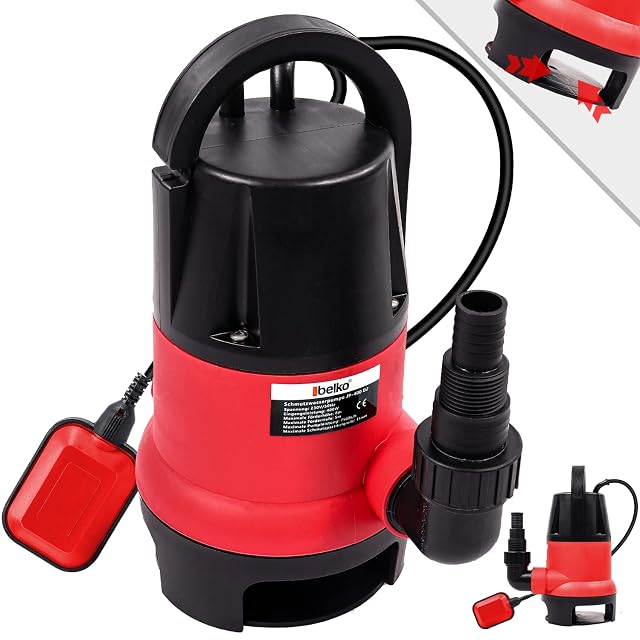
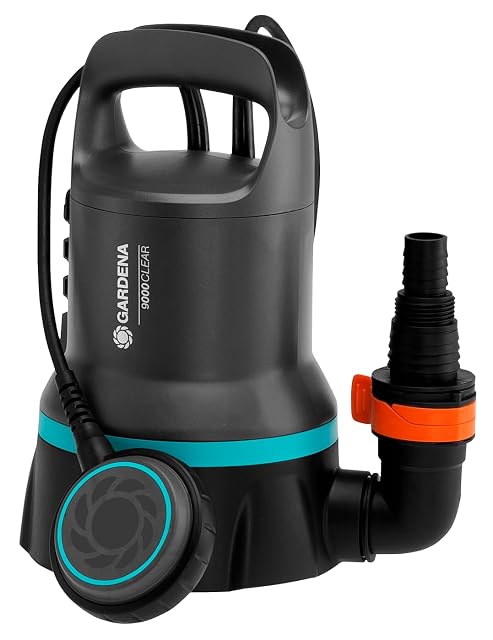
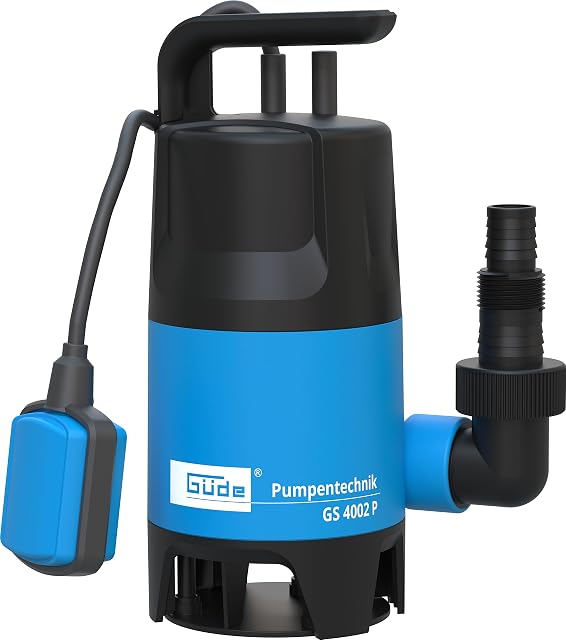
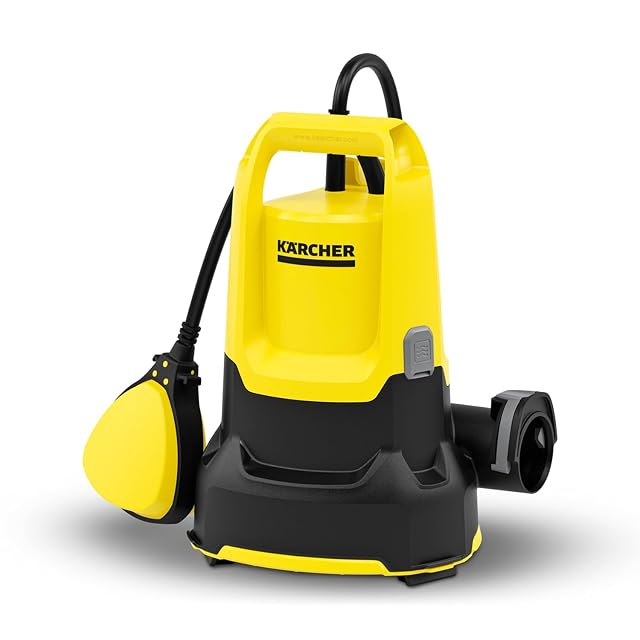
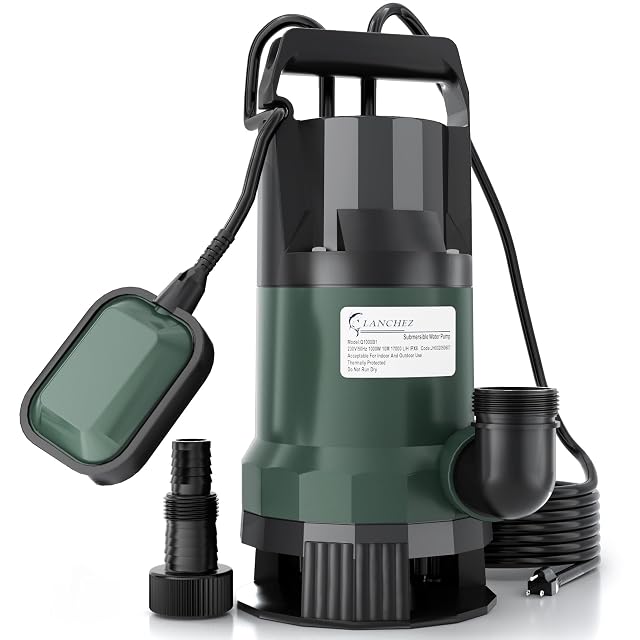
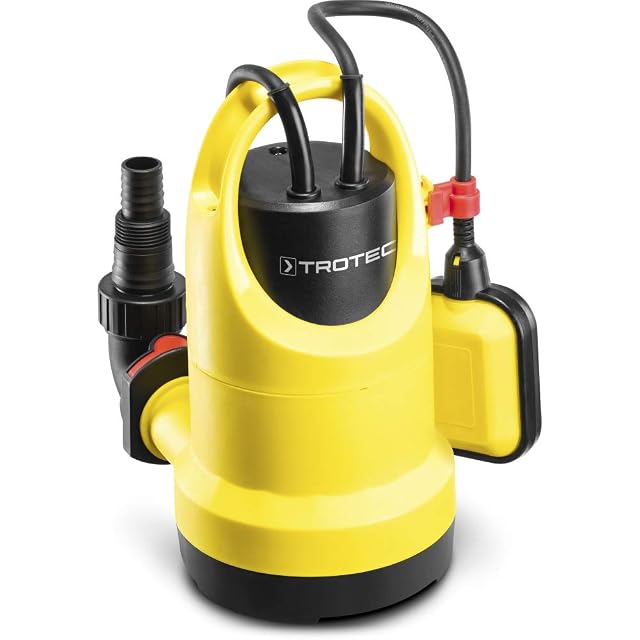
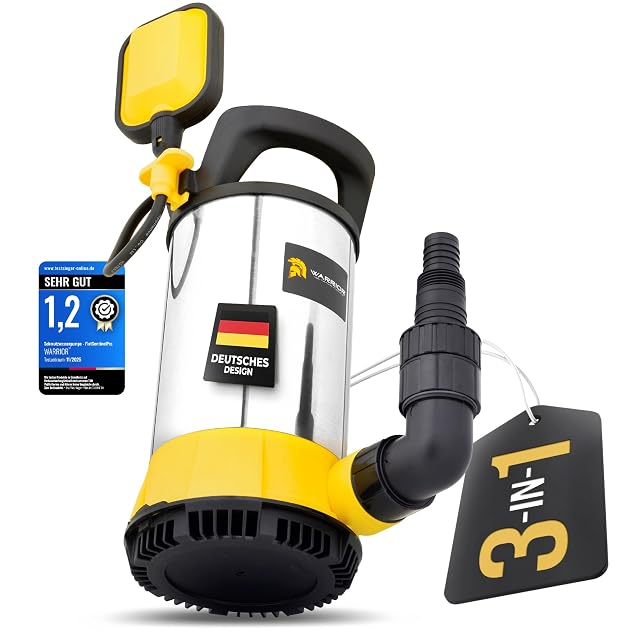
Emptying a pool is a job the filter pump cannot do, and it is the reason a submersible pump ends up in almost every pool shed. The specification that decides this purchase is one that means nothing in any other use: the residual water depth, the film the pump leaves behind when it can no longer draw. Flat-suction models publish it in millimetres — "flachabsaugend bis 1 mm" on the Einhell, and Kärcher builds a whole range on the same claim — and a pump that stops at 35 mm leaves several hundred litres in a large pool, which then has to be swept out. The second figure is the flow rate, 7 500 to 22 000 litres per hour here, with the same caveat as any pump: it is measured at zero head, and a pool being emptied over a wall is working against two or three metres. Then clear water or dirty water, which is a real division rather than marketing: a clear-water pump passes particles of about five millimetres, a dirty-water pump passes twenty to thirty-five, and the second is what an unwintered pool full of leaves needs. The float switch decides whether the pump stops itself; a level sensor decides how low it goes before it does. And the hose connection, usually a stepped adaptor, which is where flow gets lost if the hose is narrower than the outlet. We compare residual depth, flow and head, solids handling, switch type, connection size and cable length.