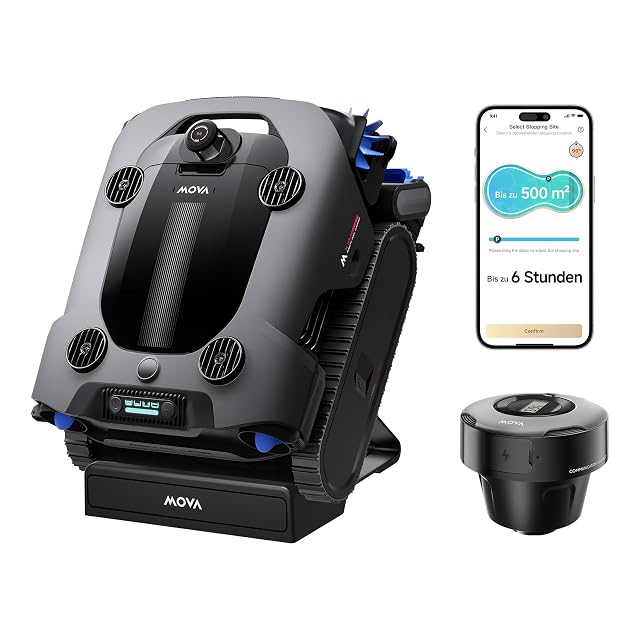
Minutes of runtime, and the three surfaces they are spent on
The best pool robots for 2026
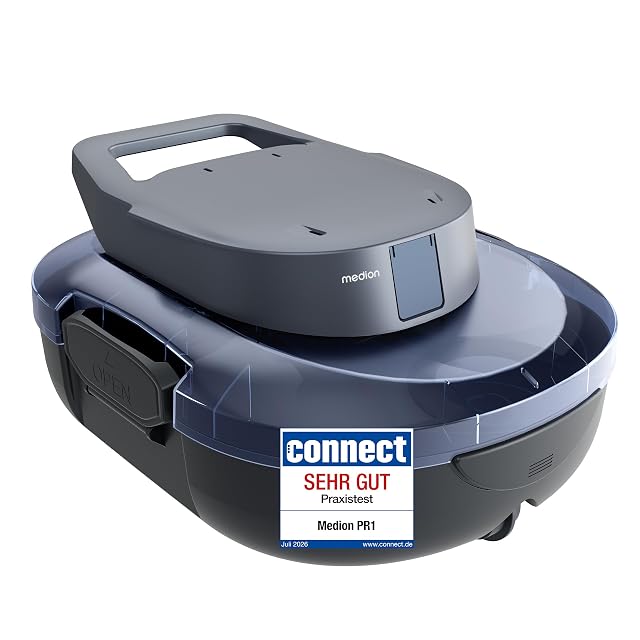
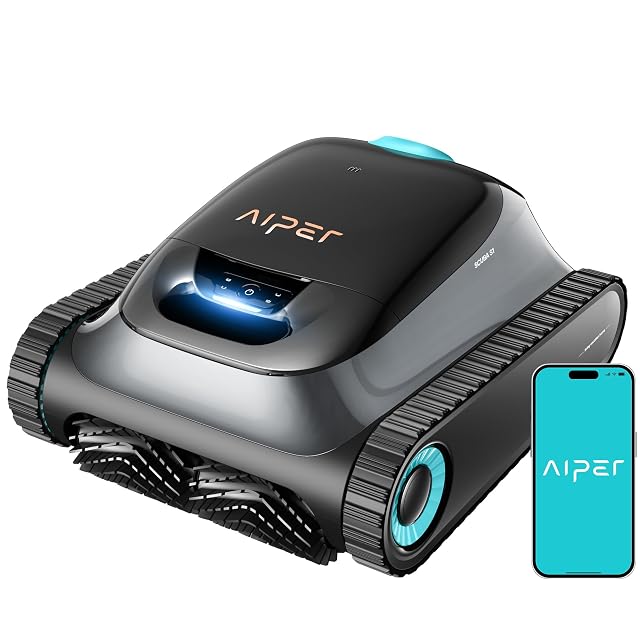
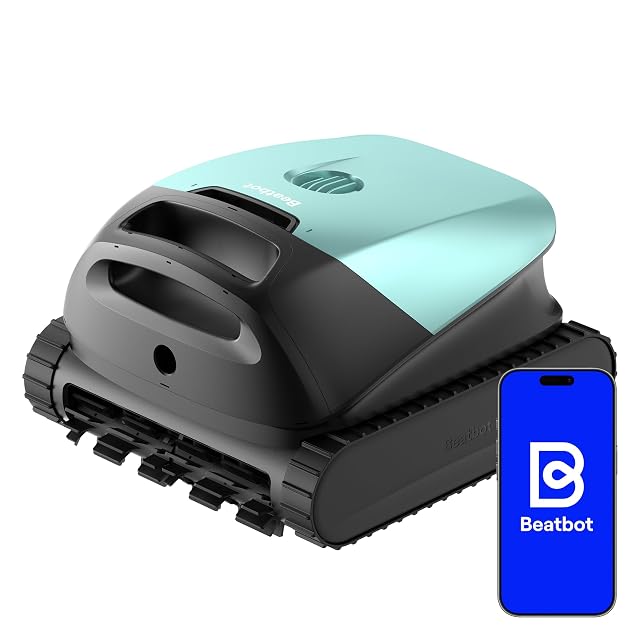
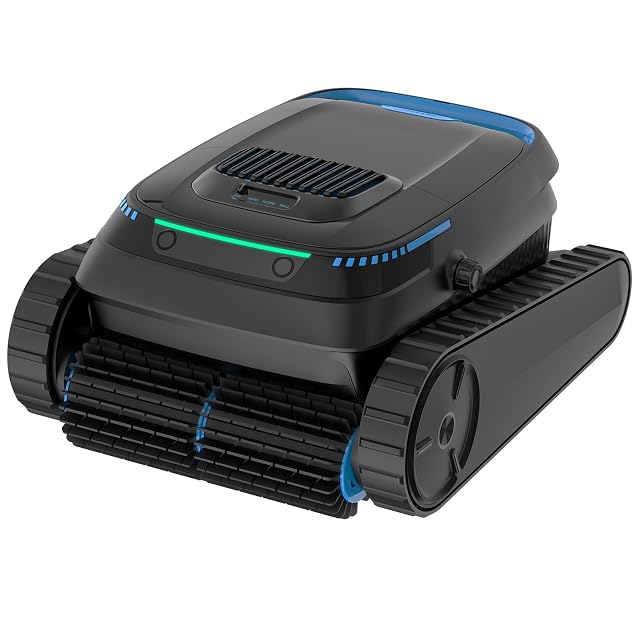
A cordless pool robot is a battery, a pump, a filter basket and a drive, and it is the only machine on this site that works with nobody present. Every listing publishes a runtime in minutes — 90, 120, 200 on this shelf — and that figure is meaningless until it is read against the second one: which surfaces the robot climbs. Floor-only machines spend the whole charge on the floor; floor-and-wall machines spend part of it climbing; waterline models spend part of it hovering at the surface where the oily film sits. A 200-minute floor robot and a 90-minute three-surface robot are not comparable on runtime at all. The third figure is the filter fineness in microns, which decides whether the machine picks up pollen and fine silt or only leaves — and it is the figure this shelf publishes least. Then navigation, which ranges from a random bounce to ultrasonic or gyroscopic mapping; the practical difference is coverage, and the honest way to read it is that a random robot needs more runtime for the same pool. Charge time matters because it sets the cycle: a four-hour charge for ninety minutes of work is one pool a day. And two things people discover after buying: the weight lifted out of the water, which is the mass plus whatever is in the basket, and how the robot is retrieved — a float-to-the-surface parking function or a hook on a pole. We compare runtime, surfaces, filter fineness, navigation, charge time, weight and retrieval.